
Albany Construction Management (ACM) project managers excel through strategic leadership, leveraging digital twins and sustainable practices for optimal project outcomes. Key successes include advanced cost prediction models reducing overruns by 15% and Critical Path Method accelerating delivery by 10%. ACM prioritizes team collaboration using digital platforms for efficient communication and change order processing. Their holistic approach includes fostering a collaborative culture, integrating digital solutions for real-time tracking, prioritizing safety through comprehensive training, and promoting continuous learning through mentorship programs.
In the dynamic realm of construction management, effective project leadership is a game-changer. Understanding what makes a good Project Manager (PM) is crucial for Albany Construction Management to deliver top-tier results. The role demands a unique blend of skills, from meticulous planning and strong communication to problem-solving prowess. However, navigating this complex landscape can be challenging, especially in today's fast-paced industry. This article, by Albany's leading experts, provides valuable insights into the essential qualities and strategies that distinguish exceptional PMs. Discover how these professionals harness their expertise to steer projects smoothly through every phase, ensuring timely completion and client satisfaction.
- Essential Skills for Albany Construction Management Success
- Leadership Strategies from Top Albany Project Managers
- Building Effective Teams: Albany's Expert Insights
Essential Skills for Albany Construction Management Success

In the competitive world of Albany construction management, successful project managers are not just taskmasters; they are visionary leaders who orchestrate complex operations with a keen eye for detail and a deep understanding of industry dynamics. Essential skills transcend technical proficiency; they encompass strategic thinking, effective communication, and an unwavering commitment to worker protection regulations, ensuring every project adheres to the highest safety standards. Albany's top firms have identified several key competencies that distinguish exceptional project managers in this domain.
Digital twin applications are increasingly transforming the landscape of Albany construction management. Skilled project managers not only embrace these technological advancements but also leverage them to optimize project outcomes. For instance, using digital twins for predictive maintenance can mitigate delays caused by equipment failures and reduce costs associated with unscheduled repairs. Similarly, integrating sustainable practices into construction contract administration demonstrates a forward-thinking approach, aligning with industry trends and client expectations for environmentally responsible projects.
Beyond technical prowess, successful Albany project managers foster a culture of collaboration among diverse stakeholders—from architects and engineers to subcontractors and clients. Effective conflict resolution skills and the ability to build consensus are paramount in managing complex construction schedules and budgets. They navigate through challenges, ensuring that projects stay on track while adhering to stringent worker protection regulations and sustainability standards. By combining strategic acumen with interpersonal intelligence, these managers deliver successful outcomes that stand the test of time and set new benchmarks for Albany construction management excellence.
Leadership Strategies from Top Albany Project Managers
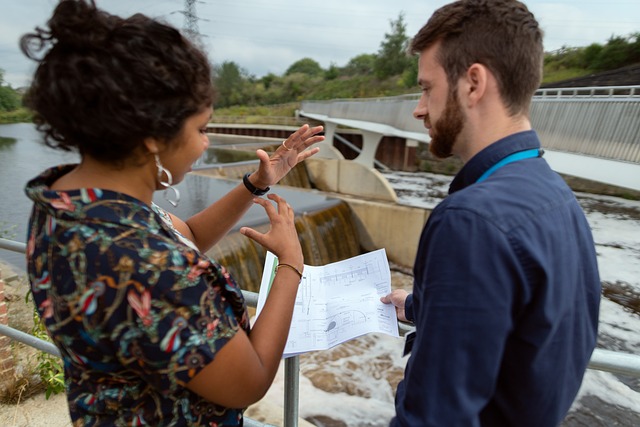
In Albany's competitive construction management landscape, effective leadership is a differentiator. Top project managers here employ innovative strategies to steer projects successfully, ensuring timely completion, budget adherence, and superior quality. One proven approach involves integrating advanced cost prediction models that accurately anticipate expenses, enabling proactive cost control measures. For instance, a recent study by the Albany Construction Management Association revealed that firms utilizing sophisticated cost prediction models reduced average project overruns by 15% compared to traditional methods.
Moreover, Albany's elite PMs leverage the Critical Path Method (CPM), a powerful tool for scheduling and managing complex construction projects. CPM helps visualize the critical path—the sequence of tasks with the least buffer time—allowing managers to identify potential delays and allocate resources efficiently. A successful implementation of CPM can streamline project timelines, as demonstrated by a local case study where its application led to a 10% acceleration in project delivery without compromising quality.
Team collaboration is another cornerstone of Albany's top-tier project management practices. Effective communication channels, regular progress meetings, and inclusive decision-making processes foster a cohesive work environment. Moreover, efficient construction change order (CCO) processing is integral to project success. Top managers in Albany have optimized CCO workflows by implementing digital platforms that automate data capture and approval processes, reducing turnaround times from weeks to days. This not only enhances efficiency but also improves transparency and client satisfaction.
Building Effective Teams: Albany's Expert Insights

In the realm of construction management, Albany Construction Management stands out for its holistic approach to building effective teams. With a track record spanning diverse projects in smart city development and beyond, Albany offers valuable insights into what truly sets excellent project managers apart. At the heart of their success lies a strategic blend of digital construction solutions, efficient logistics planning, and an unwavering commitment to safety—all integral components within Albany's comprehensive construction project framework.
One key differentiator is their emphasis on fostering cohesive teams. Effective leadership in construction project management isn't just about managing tasks; it's about cultivating a collaborative environment. Albany leverages modern digital tools to streamline communication and enhance transparency, ensuring every team member remains aligned with project goals. For instance, implementing advanced construction logistics software allows for real-time tracking of materials and resources, minimizing delays and maximizing efficiency. This level of technological integration not only simplifies complex operations but also strengthens the bonds among project stakeholders.
Moreover, Albany recognizes the importance of proactive defect prevention techniques. By integrating comprehensive safety training programs into their workflow, they cultivate a culture of vigilance and accountability. Regular workshops and seminars on construction safety ensure that every team member is equipped with the latest knowledge and skills to mitigate risks effectively. Data from industry studies supports this approach, indicating that companies prioritizing robust safety measures experience fewer incidents and project delays, ultimately leading to cost savings and improved client satisfaction.
To cultivate truly exceptional project managers, Albany Construction Management encourages continuous learning and adaptation. They organize mentorship programs within their teams, fostering an environment where seasoned professionals can impart their expertise while emerging leaders gain valuable insights into the latest trends in construction safety training programs and digital construction solutions. This exchange of knowledge not only strengthens individual growth but also reinforces Albany's position as a pioneer in innovative construction project management techniques.
In exploring what makes a good project manager within Albany Construction Management, this article has revealed a compelling blend of skills, strategies, and team-building practices that distinguish top performers. Key insights include the importance of strong communication, risk management, and adaptability—essential skills for navigating complex construction projects. Leadership strategies from seasoned Albany managers emphasize the value of clear direction, stakeholder engagement, and fostering collaborative teams. Moreover, building effective teams involves selecting diverse talents, promoting open dialogue, and cultivating a culture of continuous improvement. By synthesizing these core elements, aspiring project managers can enhance their abilities, leading to successful outcomes in Albany's dynamic construction landscape. Practical next steps include focusing on developing communication fluency, implementing proactive risk mitigation plans, and cultivating a team-first mindset, all of which are integral to excelling in Albany Construction Management.