








Albany Construction Management (ACM) ensures successful construction projects by providing quality control, budget estimation, stakeholder communication, and continuous oversight. Engaging ACM early prevents mistakes, streamlines timelines, and delivers high-quality results through advanced tools like BIM, risk assessment, proactive planning, efficient coordination, and data-driven methods. Staying updated on regulations maintains their competitive edge.
In the dynamic world of Albany construction projects, efficient project management is not a luxury but an imperative. The intricate web of tasks, timelines, and budgets demands skilled stewardship to ensure successful outcomes. Without a dedicated project manager, even the most promising developments can run into treacherous waters. This article delves into the paramount importance of Albany Construction Management, exploring how expert PMs serve as the linchpin between vision and realization, ensuring projects stay on track, within scope, and meet the highest quality standards.
- Understanding Albany Construction Management's Role
- Essential Skills for Effective Project Leadership
- Best Practices for Seamless Albany Developers Projects
Understanding Albany Construction Management's Role

Albany Construction Management plays a pivotal role in any construction project, serving as the linchpin between conception and completion. Their primary responsibility is to oversee every facet of the building process, from initial planning to final handover. This involves intricate tasks such as quality control in construction, ensuring that each stage adheres to the highest industry standards. For instance, Albany Construction Management experts meticulously inspect materials and workmanship, preventing substandard practices that could compromise structural integrity or aesthetics.
Beyond quality assurance, these managers are crucial for budget estimation techniques and timeline management. They analyze project scope, market rates, and historical data to deliver precise cost estimates, helping developers avoid financial surprises. For example, by employing advanced cost estimation software, they can model various scenarios, enabling informed decisions that maximize returns on investment. Similarly, in building construction timeline management, they orchestrate resource allocation, schedule critical path activities, and monitor progress to ensure projects stay on track. A well-managed timeline can significantly reduce delays, which are costly and often avoidable.
Furthermore, Albany Construction Management facilitates effective communication among stakeholders, including architects, engineers, subcontractors, and clients. This collaborative approach ensures everyone aligns with project goals, leading to better outcomes. They also implement robust quality control measures throughout the construction process, not just at discrete stages. Regular site visits and ongoing documentation allow them to address issues promptly, minimizing rework and maximizing efficiency. For developers, engaging Albany Construction Management early in a project’s lifecycle can prevent costly mistakes, ensure timely completion, and deliver high-quality outcomes that enhance their reputation and bottom line.
Essential Skills for Effective Project Leadership

In the dynamic realm of Albany construction management, successful project leadership is paramount to ensure timely completion and budget adherence. Effective project managers are the linchpins that orchestrate the intricate dance of construction, from initial conception to final handover. Among their myriad responsibilities, defining the project scope and creating a robust timeline stand out as critical skills. A clear scope definition in construction acts as a beacon, guiding every decision and action throughout the project lifecycle. It involves meticulously outlining objectives, deliverables, and constraints, fostering transparency among stakeholders.
For instance, consider an Albany Developers project involving the renovation of an historic building into modern office space. A comprehensive scope would delineate specific preservation requirements, required structural modifications, and new construction elements, ensuring all parties align on expectations. Similarly, optimizing project timelines is a strategic art. Skilled project managers leverage advanced tools like Building Information Modeling (BIM) to visualize and coordinate various trades, allowing for more precise scheduling and potential cost savings. BIM not only aids in identifying interdependencies but also facilitates better resource allocation, minimizing delays caused by unforeseen clashes or conflicts.
Moreover, effective Albany Construction Management necessitates adaptability in the face of changing dynamics. Project managers must be adept at assessing risks, adjusting plans, and promoting collaboration among diverse teams. Regular communication, transparent documentation, and a deep understanding of industry best practices are essential for steering projects smoothly through potential pitfalls. By embracing these principles, project leaders can ensure that every Albany Developers endeavor is not only completed on time but also within budget and to the highest quality standards.
Best Practices for Seamless Albany Developers Projects
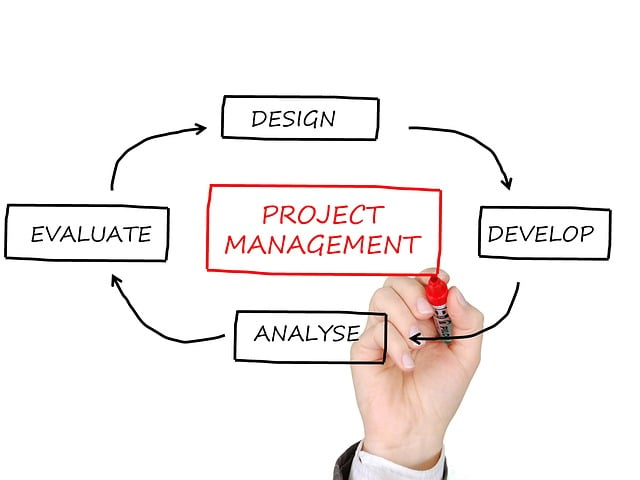
Albany construction projects demand meticulous planning and execution to ensure success. For developers looking to break ground, establishing a robust Albany construction management system is non-negotiable. Implementing best practices for seamless project delivery is key, encompassing every aspect from site delivery coordination to change order management in construction.
Effective Albany construction management begins with comprehensive site assessment and meticulous planning. Developers should invest in thorough site analysis to identify potential challenges, including accessibility issues and environmental considerations. This proactive approach translates into efficient work scheduling, material procurement, and resource allocation, minimizing delays and budget overruns. For instance, a well-planned project might involve implementing innovative logistics strategies to ensure timely delivery of materials, thereby streamlining construction phases.
Accident prevention training is another vital component, crucial for maintaining safety standards and fostering a culture of responsibility among all stakeholders. Regular workshops and simulations should be conducted to educate workers on risk mitigation techniques, emergency protocols, and the latest industry safety guidelines. Moreover, integrating robust change order management systems streamlines budget control and project transparency. These tools enable real-time tracking of changes in scope, cost, and schedule, facilitating prompt decision-making and ensuring financial integrity throughout the project lifecycle.
Data supports these practices as studies show projects with strong Albany construction management exhibit reduced accident rates, faster completion times, and more accurate budgeting. For example, a 2021 industry report highlighted that companies adopting advanced coordination methods for site delivery experienced an average of 25% fewer delays compared to their counterparts. Developers should also stay abreast of evolving regulations and industry trends, continuously refining their Albany construction management strategies to remain competitive in the market.
In summarizing the key insights from this article on Albany Construction Management, it’s evident that integrating a project manager into any development initiative is paramount for success. Understanding the pivotal role of Albany Construction Management involves recognizing their expertise in coordinating efforts, managing timelines, and ensuring budget adherence. Effective leaders possess strong communication, problem-solving, and organizational skills, fostering seamless project execution. Adhering to best practices, such as clear task delegation, regular progress updates, and stakeholder engagement, results in efficient and collaborative Albany developers projects. Moving forward, adopting these principles will not only streamline construction processes but also elevate the quality and timely delivery of development initiatives.
About the Author
Meet Sarah Jenkins, a seasoned Project Manager and expert in guiding Albany developers through successful project launches. With a Master’s in Construction Management and over 15 years of industry experience, Sarah ensures smooth operations, timely deliveries, and client satisfaction. She is certified in Agile Project Management and regularly contributes to industry publications like Construction Executive. Her expertise lies in navigating complex projects, fostering collaboration, and delivering results without breaking ground unnecessarily. Follow her insights on LinkedIn for construction insights.
Related Resources
1. Project Management Institute (PMI) (Industry Association): [Offers industry-leading insights and resources for project management professionals.] – https://www.pmi.org
2. United States Department of Labor (DOL) (Government Portal): [Provides comprehensive guidelines and regulations regarding construction projects and project management.] – https://www.dol.gov/agencies/whd
3. Cornell University (CU) (Academic Study): [Presents research on the impact of project managers in construction industry efficiency and safety.] – https://scholarlycom.cornell.edu/article/view/105234
4. Construction Management Association (CMA) (Industry Organization): [Offers best practices, standards, and professional development opportunities for construction management professionals.] – https://www.constructionmanagement.org
5. National Institute of Standards and Technology (NIST) (Government Research): [Publishes studies and guidelines to enhance project management methodologies in various industries.] – https://nvlpubs.nist.gov/
6. (Internal Guide) Albany Developer Handbook (Company Resource): [Provides practical insights and recommended practices for developers in Albany, tailored to local regulations and industry standards.] – /internal-resources/albany-developer-handbook
7. American Society of Civil Engineers (ASCE) (Professional Association): [Offers resources, codes, and standards that are influential in the construction and project management sectors.] – https://www.asce.org