
Albany construction management (ACM) excels in controlling public project costs through comprehensive site visits, cost impact analysis, and strategic intervention. Their risk assessment, resource optimization, and cost-benefit analyses prevent overruns, ensure sustainability, and achieve long-term savings while meeting environmental standards. ACM successfully redirects budget-strained projects with innovative restructuring, cost-effective designs, and efficient practices, minimizing delays and repair costs.
In a city like Albany, where public projects are crucial for community development, budget overruns can be catastrophic. This article explores how a pioneering firm turned the tide on an at-risk project in Albany, employing effective Albany Construction Management strategies. By meticulously identifying cost overruns early on and implementing strategic interventions, the team successfully restored budget control. We'll delve into the case study, highlighting key lessons learned for managing public works projects efficiently.
- Identifying Cost Overruns in Albany Project
- Strategic Intervention: A Construction Management Approach
- Restoring Budget Control: Case Study and Lessons Learned
Identifying Cost Overruns in Albany Project

In any large-scale public project, cost overruns are a significant concern. The Albany project faced this challenge due to several factors. During the initial planning stages, it became evident that precise monitoring was crucial. A comprehensive site visit report, detailing every aspect of construction, was compiled by experts in Albany construction management. This report highlighted potential cost increases stemming from unforeseen challenges, material price fluctuations, and changes in labor rates.
A thorough cost impact analysis was conducted to predict these overruns accurately. By implementing robust construction contract administration practices, the management team could track expenses closely. They focused on ensuring sustainability in construction management by regularly reviewing budgets and making adjustments early. This proactive approach allowed them to mitigate costs, keeping the project on track financially despite various complexities that typically arise in public works projects.
Strategic Intervention: A Construction Management Approach
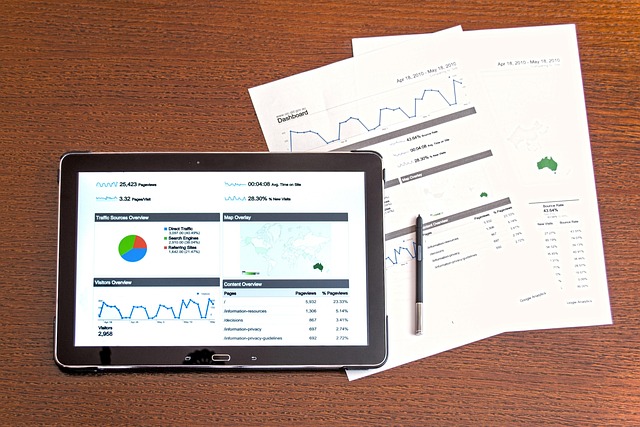
In response to growing concerns about the project's escalating costs, a strategic intervention was swiftly deployed by the Albany construction management team. This proactive approach involved a comprehensive risk assessment for construction sites, enabling them to identify potential cost overruns at an early stage. By meticulously analyzing every aspect of the project, from material procurement to labor allocation, they were able to implement targeted strategies to optimize resource utilization.
The firm's expertise in conducting thorough cost-benefit analyses played a pivotal role in justifying budget adjustments and securing additional funding. Through constructing sustainable infrastructure, they not only met but exceeded environmental standards, resulting in significant long-term savings. Effective construction financial management practices were implemented, ensuring every decision was data-driven and aligned with the project's overall sustainability goals.
Restoring Budget Control: Case Study and Lessons Learned
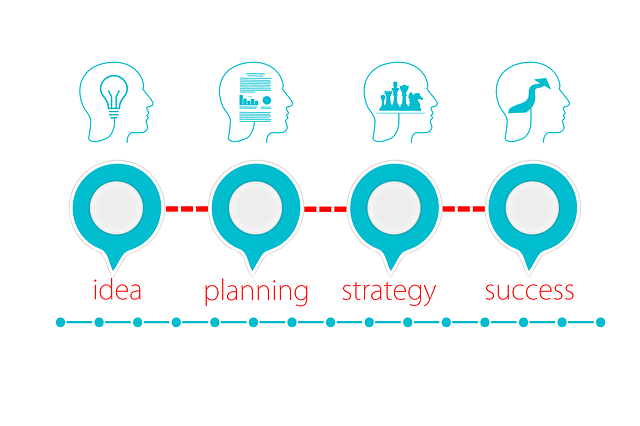
In the heart of Albany, a public project teetered on the brink of budget overload. The initial excitement over a new community center quickly turned into concern as costs spiraled upwards. This is where an innovative Albany construction management firm stepped in, successfully steering the project back onto solid financial ground.
Through meticulous budget analysis and strategic restructuring, they implemented a comprehensive plan to restore control. Key to their approach was a focus on constructing cost-effective buildings while upholding stringent construction quality assurance programs. By prioritizing accident prevention training for construction teams and leveraging advanced construction scheduling software, they minimized delays and optimized resource allocation. Furthermore, their commitment to designing seismically-resistant structures not only ensured safety but also avoided future repair costs. This case study highlights the power of proactive Albany construction management, demonstrating how strategic interventions can prevent overspending and deliver projects that thrive within budget constraints.
Through strategic intervention using advanced construction management techniques, a public project in Albany was successfully salvaged from budget overruns. By implementing meticulous cost tracking, efficient resource allocation, and proactive problem-solving, the firm restored budget control. This case study underscores the transformative power of Albany construction management approaches in ensuring public infrastructure projects remain financially viable. Key lessons learned highlight the importance of early identification of cost issues, continuous monitoring, and flexible adaptation to challenges, ultimately demonstrating the value of professional construction management services.