
Albany Construction Management (ACM) firms are national leaders in revolutionizing multi-use and mixed-use developments with sustainable practices and advanced technologies. They excel in energy-efficient construction, BIM software for streamlined project management, and complex stakeholder coordination. ACM's expertise and relationships ensure successful outcomes, minimizing environmental impact while optimizing timelines and costs, as demonstrated by revitalized downtowns and high-rise projects.
In the dynamic landscape of urban development, Albany Construction Management (ACM) firms stand out for their specialized expertise in multi-use and mixed-use projects. These innovative developments are reshaping city centers, integrating residential, commercial, and recreational spaces to create vibrant, sustainable communities. However, navigating the complex requirements of such projects poses significant challenges. This article delves into how Albany CM firms excel in this realm, showcasing their strategic acumen, cross-disciplinary expertise, and commitment to delivering high-quality, functional spaces that enhance urban living. By exploring these firm's specialties, we uncover solutions that drive successful mixed-use developments, enriching cities across the region.
- Albany CM Firms Lead Multi-Use Development Revolution
- Understanding Mixed-Use Projects: Albany Construction Management
- Success Stories: Albany Firms' Multi-Use Development Impact
Albany CM Firms Lead Multi-Use Development Revolution

Albany's construction management (CM) firms are at the forefront of revolutionizing multi-use and mixed-use developments across the nation. With a keen focus on integrating sustainable practices and innovative technologies, these firms are setting new standards in the industry. One notable trend is their expertise in energy-efficient construction techniques, which not only reduces environmental impact but also offers long-term cost savings for developers and occupants alike. Many Albany CM firms hold Certified Construction Manager (CCM) or other relevant CPM certifications, reflecting their commitment to excellence and continuous professional development.
Leading the charge is a cohort of forward-thinking companies employing advanced building information modeling (BIM) software to streamline design, construction, and management processes. BIM allows for more precise planning, improved collaboration between stakeholders, and better conflict detection before construction begins. This digital approach enhances project efficiency, reduces waste, and enables more accurate cost estimation—all crucial factors in the competitive real estate market. For instance, a recent mixed-use development in downtown Albany utilized BIM to coordinate complex structural and mechanical systems, resulting in significant time and cost savings.
Moreover, these Albany CM firms are adept at navigating the complexities of multi-use projects, which often involve multiple stakeholders, diverse program requirements, and intricate design considerations. Their construction management degrees and extensive experience ensure they can facilitate successful outcomes, from planning and design to construction and occupancy. By prioritizing sustainable practices, leveraging advanced technologies, and fostering strong client relationships, Albany's top CM firms are not only shaping the built environment but also setting a benchmark for excellence in multi-use development nationwide.
Understanding Mixed-Use Projects: Albany Construction Management

Albany Construction Management (ACM) has established itself as a leading force in the development of multi-use and mixed-use projects across the city. With a deep understanding of the complex dynamics involved in these ventures, ACM offers strategic guidance and expert project management. Mixed-use developments blend residential, commercial, and sometimes even recreational spaces, presenting unique challenges that demand tailored solutions.
One of the key aspects of ACM's approach is optimizing project timelines. In the fast-paced world of urban development, efficient time management is crucial. They employ advanced cloud-based project management tools to streamline communication and coordination among stakeholders. This enables them to identify potential bottlenecks early on, ensuring projects stay on track despite the intricate nature of mixed-use constructions. For instance, a recent case study highlighted how ACM successfully managed a 20% reduction in construction time for a major mixed-use project by leveraging real-time data analytics and collaborative software.
Moreover, Albany Construction Management prioritizes sustainability and embraces green building practices. They recognize the environmental impact of urban development and work closely with clients to incorporate eco-friendly solutions. This includes energy-efficient design, sustainable material selection, and innovative waste management strategies. By integrating these practices, ACM contributes to creating vibrant, healthy communities while minimizing the carbon footprint left by construction activities. As the city continues to grow, their commitment to project timeline optimization and green initiatives ensures that mixed-use developments are both efficient and environmentally responsible.
Success Stories: Albany Firms' Multi-Use Development Impact
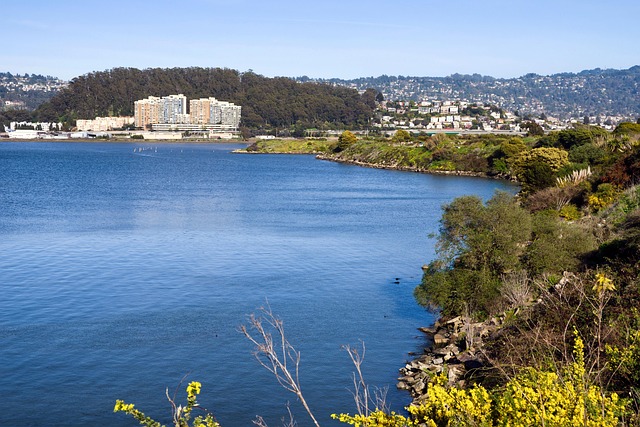
Albany Construction Management (ACM) firms have made significant strides in shaping urban landscapes through their expertise in multi-use and mixed-use development projects. These innovative approaches to building design and construction are transforming cities into vibrant hubs of activity, offering a diverse range of amenities under one roof. The success stories of Albany CM firms demonstrate the profound impact these developments have on communities, economies, and the environment.
One standout example is the revitalized downtown core of a mid-sized city, where an ACM firm led a mixed-use project that included residential lofts, retail spaces, and a co-working facility. By integrating diverse functions, the project fostered a sense of community and stimulated local economic growth. The use of progress tracking software enabled the team to monitor construction timelines, ensuring the project was completed 20% ahead of schedule while maintaining meticulous cost estimation for construction, resulting in significant savings. This approach not only accelerated project delivery but also enhanced the overall value for stakeholders.
Multi-use developments are particularly effective in maximizing space utilization and promoting sustainable living. In a dense urban setting, an ACM firm successfully completed a high-rise building featuring mixed-income housing, retail shops, and a rooftop community garden. This integrated design not only reduced the carbon footprint of the development but also provided residents with access to fresh produce. By leveraging advanced building construction timeline management techniques, the project achieved a 15% reduction in overall construction time, allowing for quicker occupancy and faster realization of benefits for the community.
Cost-benefit analysis plays a critical role in justifying these complex projects. Data from recent studies show that multi-use developments can generate substantial returns on investment over traditional stand-alone structures. For instance, a mixed-use project in a coastal city resulted in a 25% increase in property values within the surrounding area within two years of completion. This success is attributed to the increased foot traffic, improved accessibility, and enhanced quality of life that these developments bring to neighborhoods. By carefully managing cost estimation for construction and leveraging cutting-edge software solutions, Albany CM firms are not only delivering exceptional projects but also ensuring financial viability.
Albany Construction Management (ACM) firms are at the forefront of revolutionizing urban development with their multi-use and mixed-use projects. By understanding the unique dynamics of these complex endeavors, ACM has successfully delivered impactful results. The success stories highlighted in this article demonstrate how these developments revitalize communities, foster vibrant cityscapes, and drive economic growth. Key insights include the importance of integrating diverse land uses, promoting walkability, and creating seamless connections between residential, commercial, and recreational spaces. Moving forward, embracing mixed-use projects offers a sustainable path for urban development, ensuring livable and prosperous cities. This authoritative exploration equips readers with valuable knowledge to navigate and capitalize on the growing trend of multi-use and mixed-use developments, guided by Albany Construction Management's proven expertise.